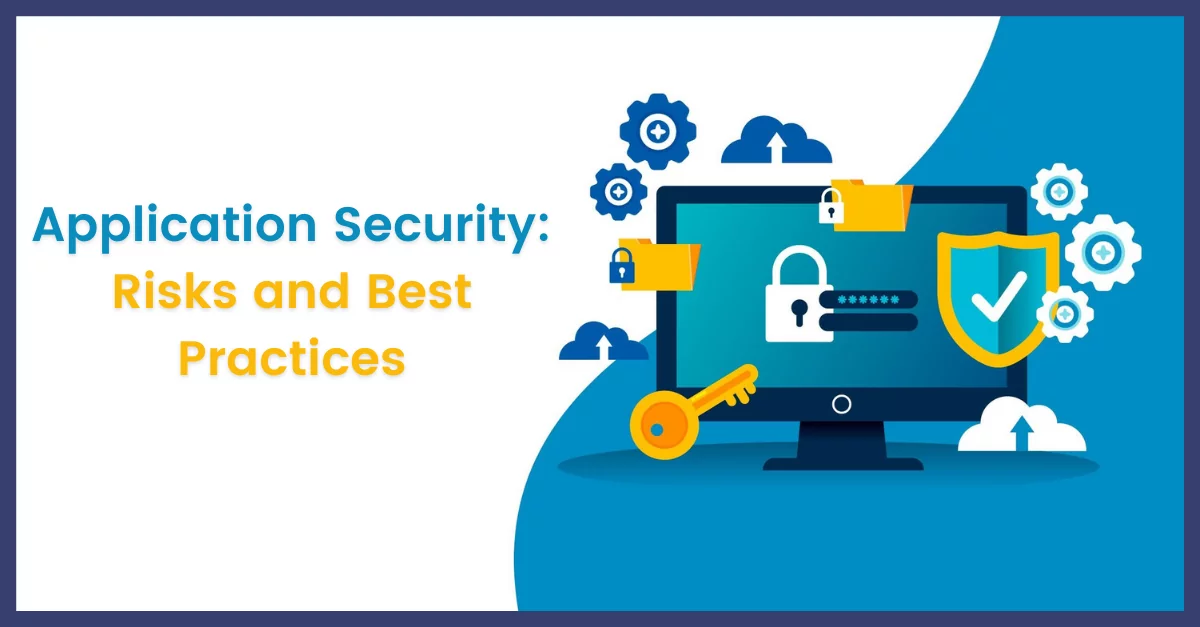

Application Security & Penetration Testing Services
Applications are prime targets for cyberattacks, with vulnerabilities in web applications, APIs, mobile apps, cloud-native platforms, and software supply chains exposing data and disrupting business. Our Application Security Services help organizations identify, validate, prioritize, and remediate vulnerabilities across the software development lifecycle. We secure applications from design and development through deployment and continuous operations, helping reduce risk and protect data, systems, and customer trust.
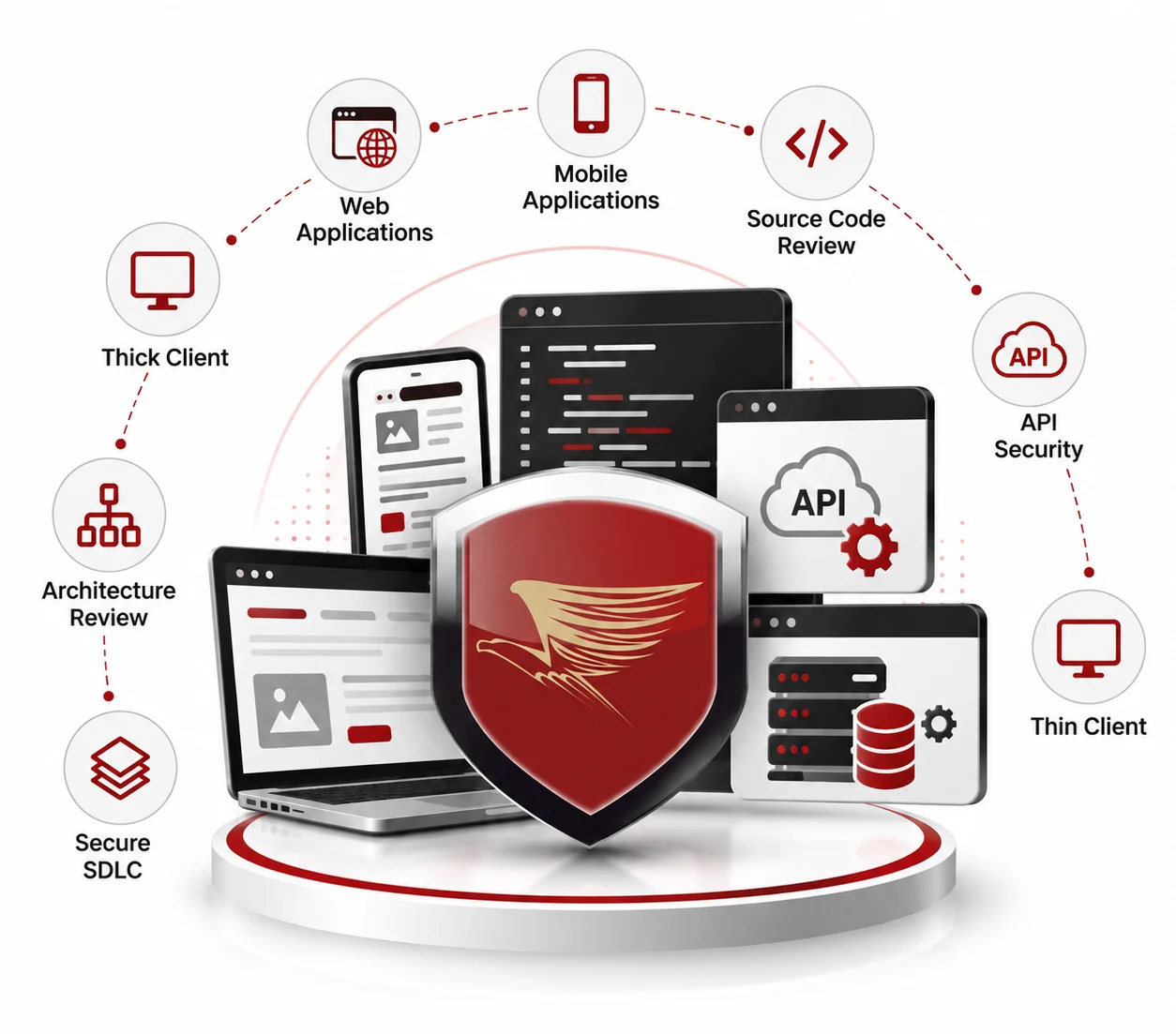
Web Applications
Customer portals, SaaS, enterprise and internet-facing applications
Mobile Applications
Android, iOS, hybrid and cross-platform application security
APIs & Code
API attack surfaces, source code and security controls
Secure Architecture
Threat modeling, trust boundaries and secure SDLC integration
What Is Application Security?
Application security is the practice of protecting software applications from vulnerabilities, misuse and attack throughout their lifecycle. It combines security requirements, secure design, code-level controls, testing, vulnerability management and operational safeguards.
Varutra's application security services assess applications from multiple perspectives: what an attacker can reach, what an authenticated user can access, what business rules permit, what the application trusts, and how security is implemented in code and architecture.
Application Vulnerability Assessment
- Discover application, endpoint and attack-surface weaknesses
- Assess authentication, authorization, session and input-validation controls
- Identify security misconfigurations and sensitive-data exposure
- Prioritize findings by severity, exploitability and business impact
Application Penetration Testing
- Manually validate significant vulnerabilities
- Test business logic and privilege boundaries
- Demonstrate realistic attack paths within approved scope
- Provide evidence-based remediation and retesting
What Are the Common Application Security Risks?
Application security testing identifies vulnerabilities that can enable unauthorized access, data breaches, fraud, service disruption and business compromise.
Broken Access Control
Attackers bypass authorization to access restricted accounts, records or functions, potentially causing data theft and privilege escalation.
Authentication & Session Attacks
Weak login, MFA, password and session controls can enable account takeover, impersonation and unauthorized access.
Injection & Data Exposure
SQL injection, command injection and insecure data handling can expose sensitive information or enable unauthorized system access.
Business Logic Flaws
Abusable workflows, transaction manipulation and race conditions can lead to fraud, financial loss and unauthorized actions.
API Security Vulnerabilities
Insecure APIs can expose sensitive data, bypass authorization, enable abuse and compromise connected applications and services.
Security Misconfiguration
Insecure configurations, exposed services, verbose errors and unsafe defaults can reveal attack paths and increase breach risk.
Our Application Security Services
End-to-end AppSec services for modern web, mobile and enterprise software. Select a service to explore the scope, security focus areas and typical outcomes.

Web Application Security Testing
Web Application Security Testing identifies and validates vulnerabilities across internet-facing, internal, SaaS and enterprise web applications before attackers can exploit them.
Varutra combines automated vulnerability scanning with expert-led manual testing to uncover business logic flaws and security weaknesses that conventional scanners may miss. Assessments cover authentication, authorization, session management, access control, privilege escalation, injection, XSS, file uploads, security misconfigurations, cryptography, server-side and client-side vulnerabilities, data exposure and OWASP Top 10 risks.

Mobile Application Security Testing
Mobile Application Security Testing protects Android and iOS applications handling sensitive customer, employee and business data across the application, device, backend APIs and communication channels.
Our assessments combine static, dynamic and runtime analysis to evaluate application binaries, local data storage, authentication and authorization, cryptography, certificate validation, API communication, reverse-engineering resistance, runtime protections, inter-process communication, deep links, URL schemes, WebViews, secrets, root/jailbreak detection and tamper protection.
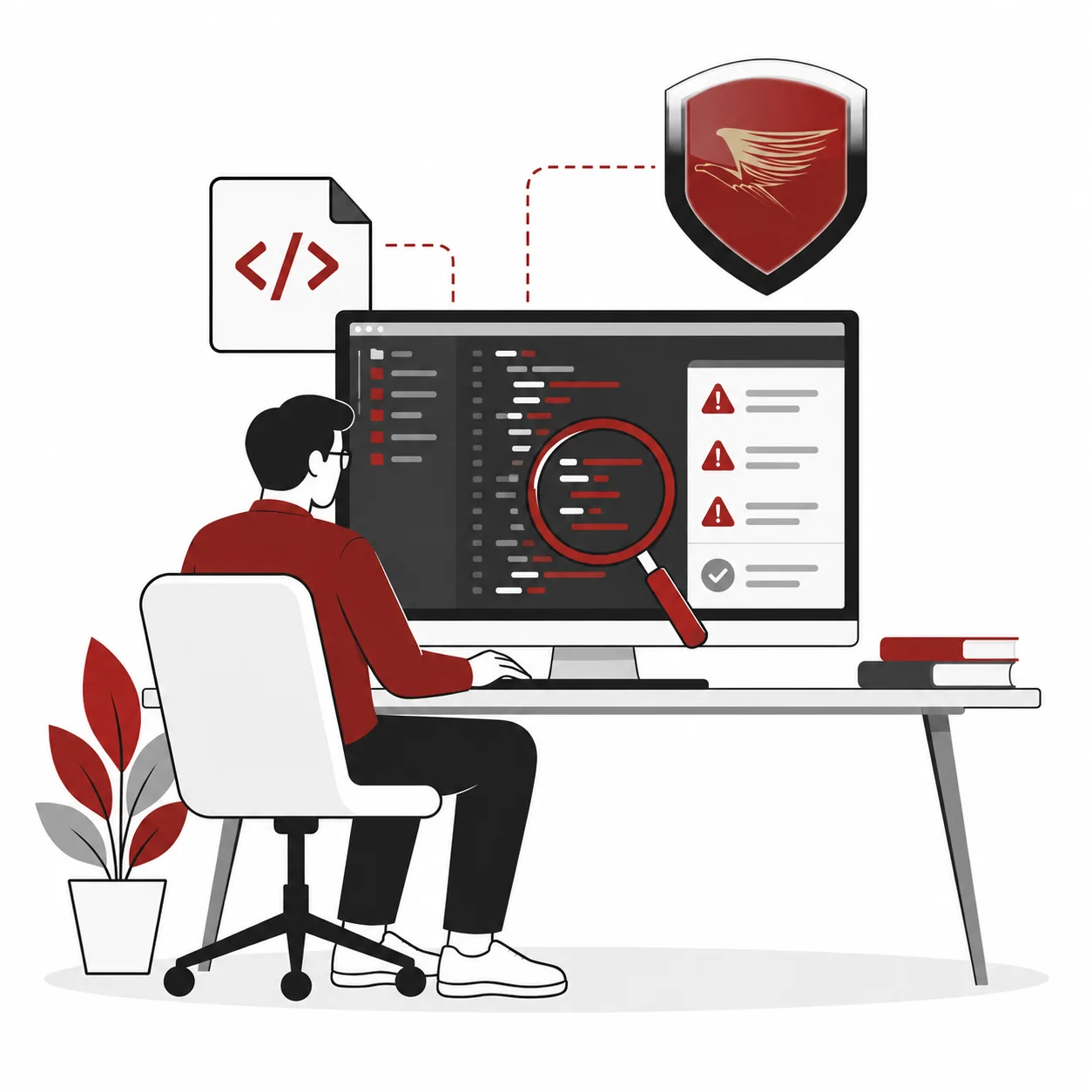
Secure Code Review
Source Code Security Review identifies vulnerabilities at the code level that may be difficult to detect through black-box application security testing alone.
Varutra combines automated analysis with expert manual review of authentication and authorization logic, input validation, cryptographic implementations, secure error handling, session management, sensitive data handling, secrets and credentials, injection vulnerabilities, insecure APIs, business logic, security controls and third-party libraries or dependencies.
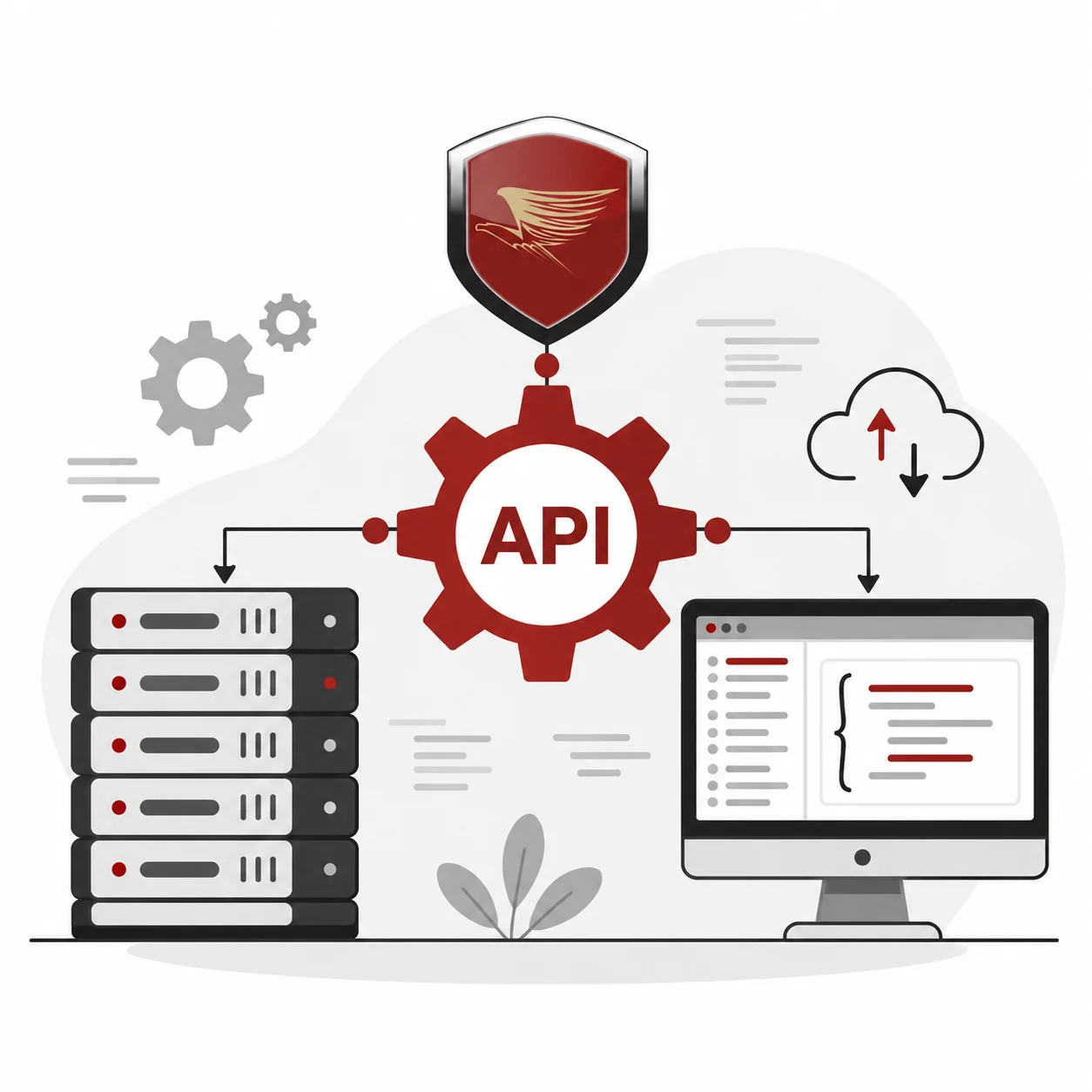
API Security Testing
API Security Testing identifies vulnerabilities across the REST, SOAP, GraphQL and other APIs powering modern digital platforms, applications, mobile clients and third-party integrations.
Testing focuses on API authentication and authorization, Broken Object Level Authorization (BOLA), Broken Function Level Authorization (BFLA), excessive data exposure, rate limiting and abuse controls, input validation, injection, parameter manipulation, JWT and token security, OAuth/OIDC implementation, API business logic, mass assignment, GraphQL security and API gateway or configuration weaknesses.
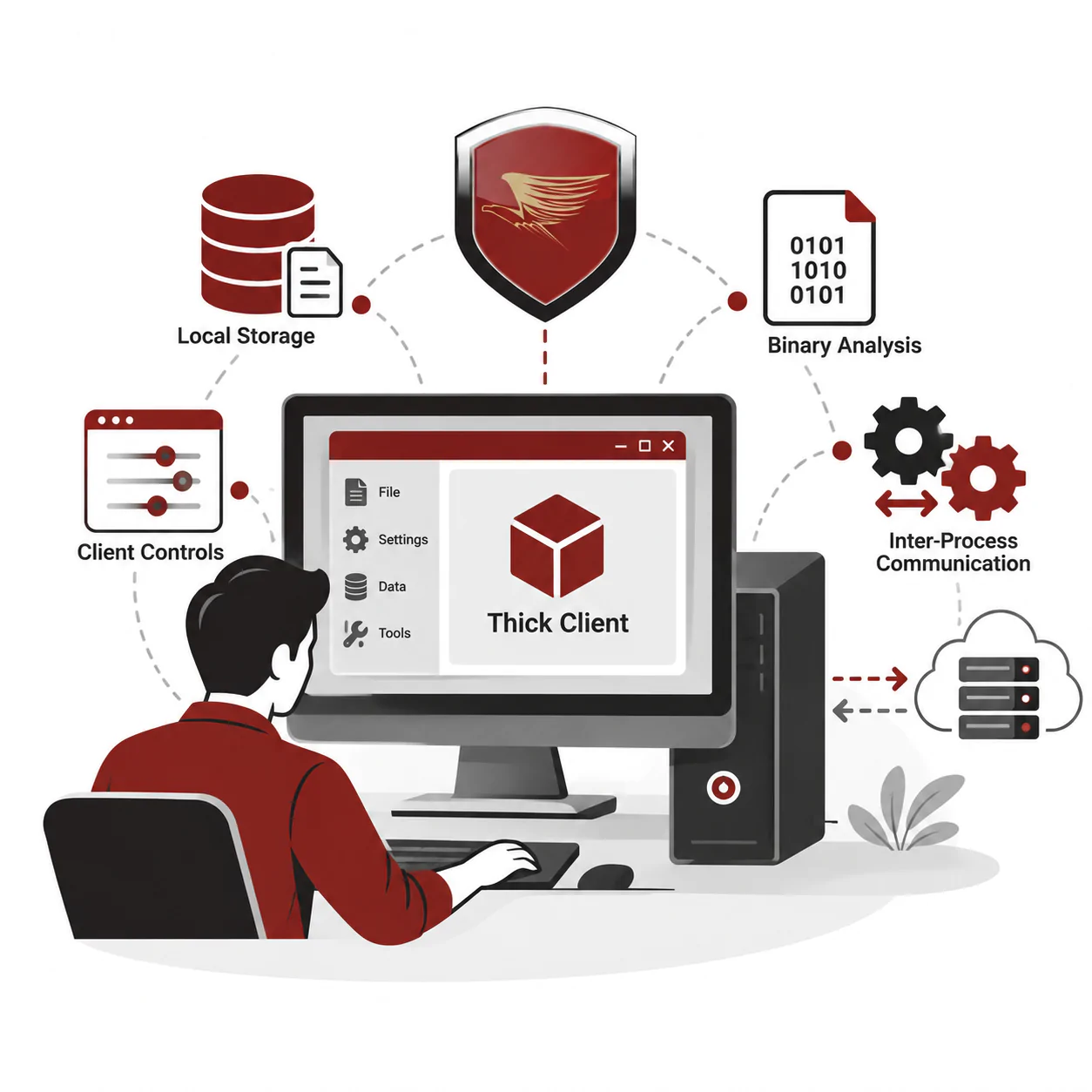
Thick Client Security Testing
Thick Client Security Testing assesses desktop applications that perform significant processing or store application components locally. Testing can examine local storage, authentication, update mechanisms, client-side controls, inter-process communication, configuration, binaries and server-side interactions.
The assessment helps identify vulnerabilities where sensitive logic, credentials, data or trust decisions are exposed on the client or where client controls can be bypassed.
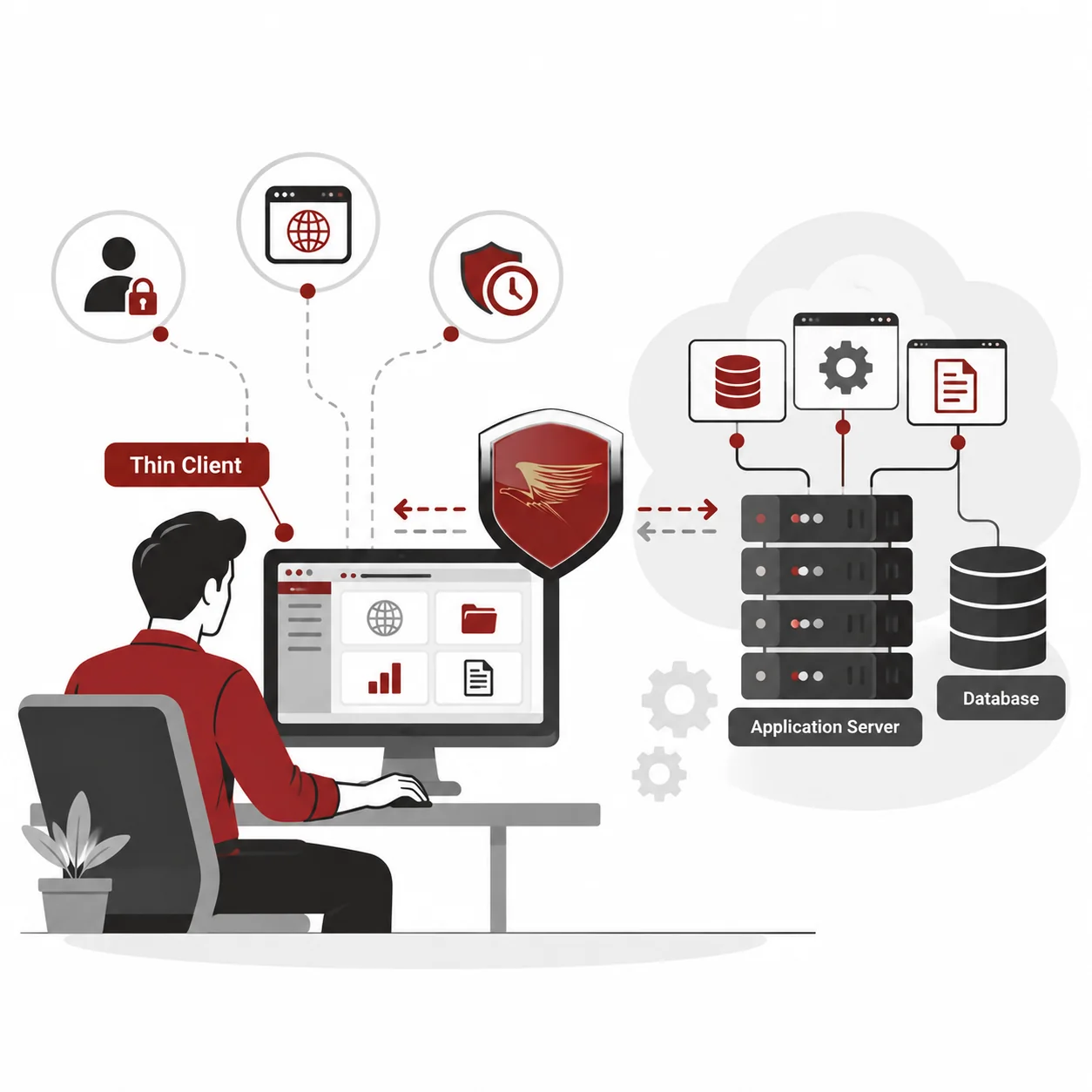
Thin Client Security Testing
Thin Client Security Testing focuses on applications where most processing and data handling occurs on remote servers, with the client primarily providing a presentation or access layer.
Testing can examine authentication, session handling, authorization, client-server communication, exposed interfaces, configuration and the security boundaries between the client, application services and backend systems.
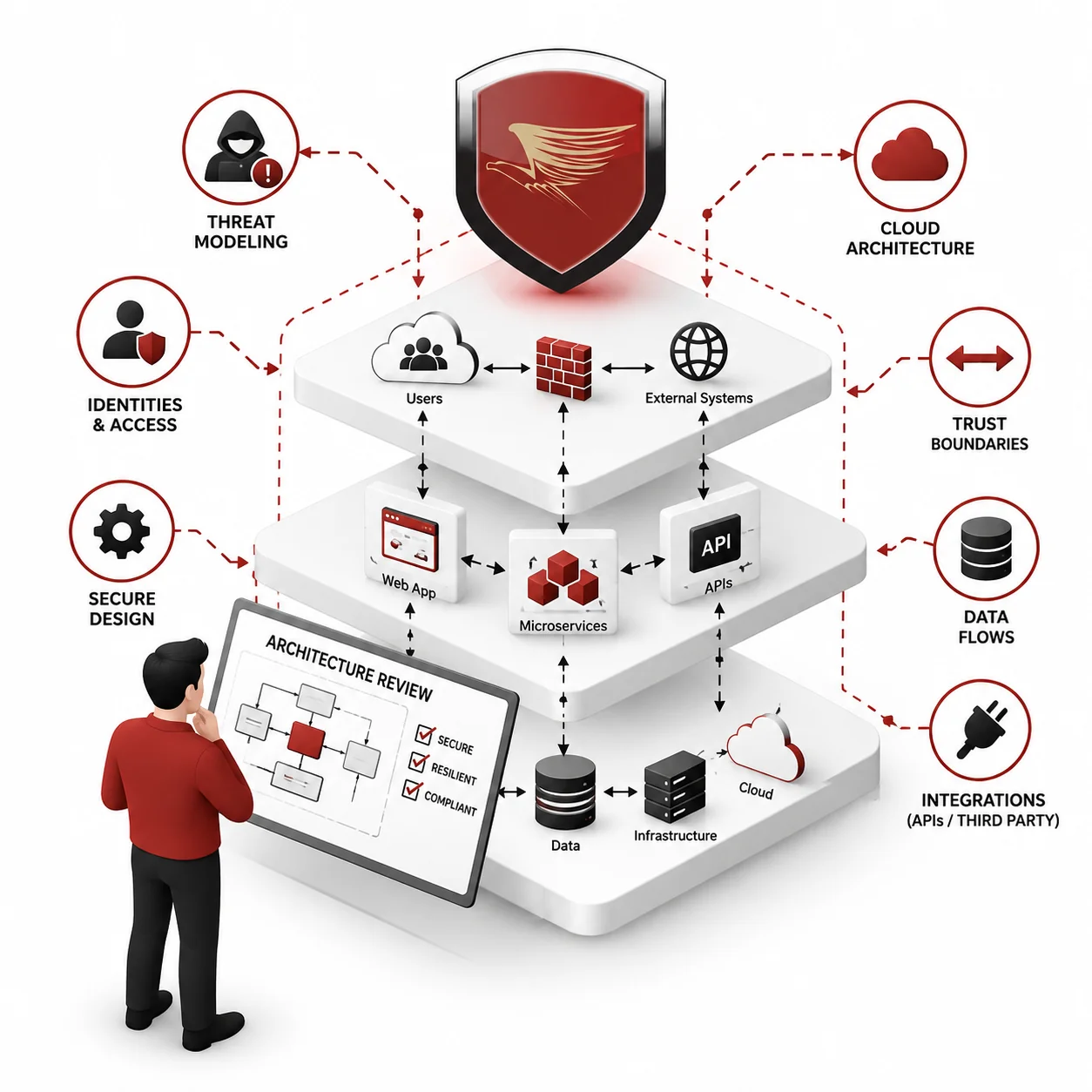
Secure Architecture Review
Application Security Architecture Reviews identify design-level security risks before implementation by evaluating application architecture, trust boundaries, data flows, identities, integrations and security controls.
Reviews cover authentication and authorization architecture, identity integration, API architecture, encryption, secrets management, session architecture, microservices and cloud architecture, third-party integrations, security monitoring and logging, resilience and abuse controls.
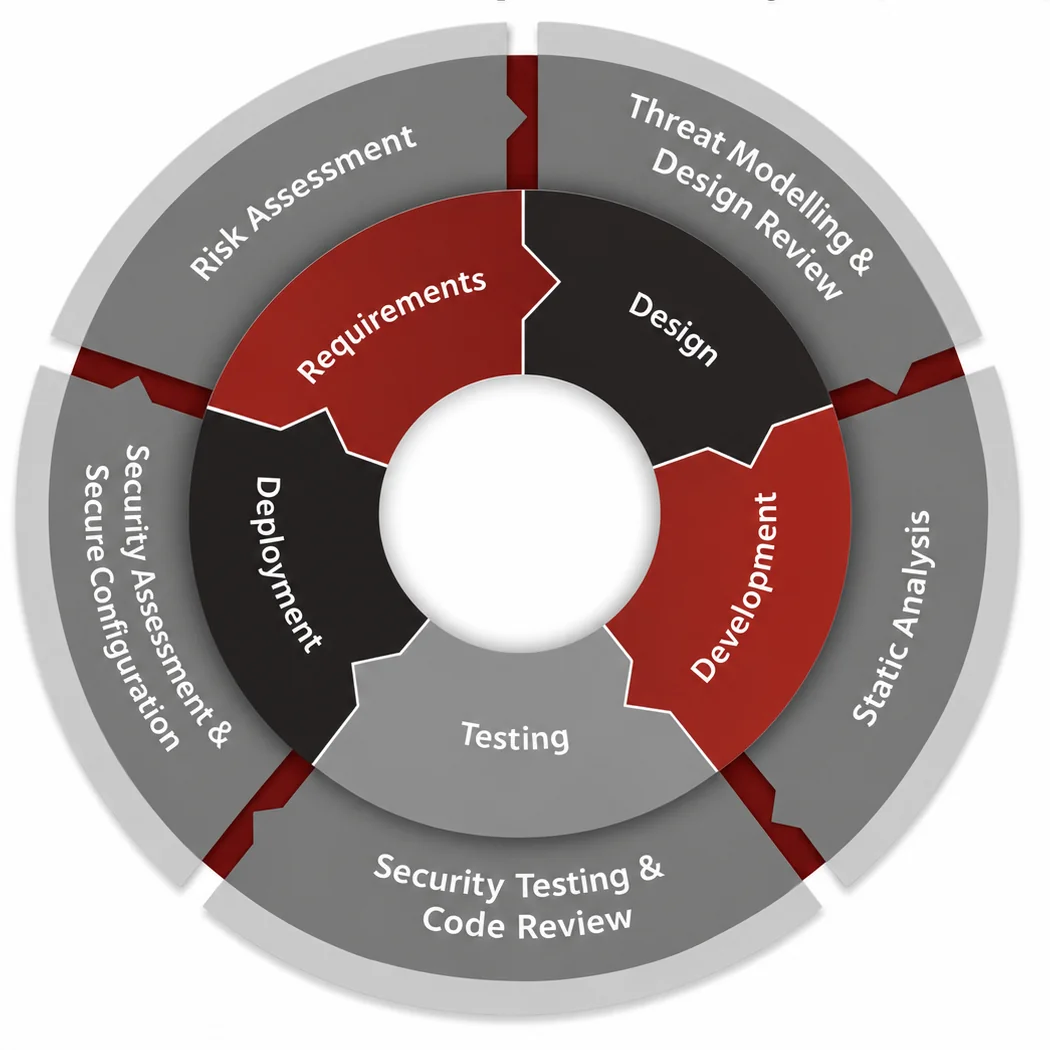
Secure SDLC Implementation
Secure Software Development Lifecycle (Secure SDLC) integrates security into application requirements, design, development, testing, release and maintenance to identify and address security risks throughout the software lifecycle.
Varutra helps organizations establish security requirements, threat modeling, secure architecture practices, secure coding standards, application security testing and security governance across the software development lifecycle. Our Secure SDLC assessments and implementation support can include SAST, DAST, software composition analysis (SCA), secrets management, security defect management, security testing processes and application security controls aligned with business and regulatory requirements.
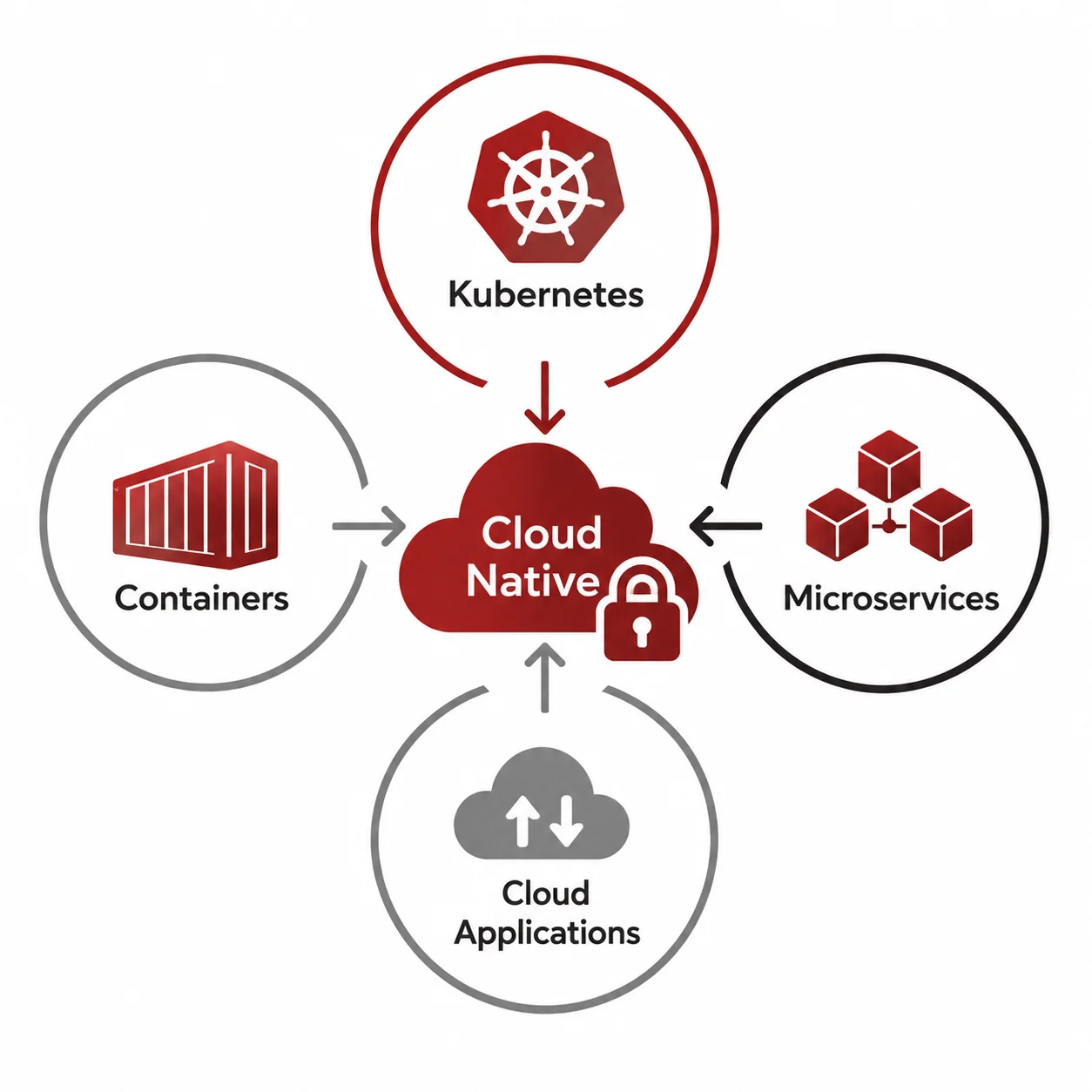
Cloud-Native & Container Application Security
Cloud-Native Application Security addresses modern attack surfaces across containers, Kubernetes, microservices, APIs, cloud applications and CI/CD pipelines.
Our assessments identify security weaknesses across container images, Kubernetes configurations, microservices, cloud application architecture, APIs, secrets management, IAM and access controls, Infrastructure-as-Code, CI/CD security, runtime environments and configuration. This helps organizations secure applications across the cloud-native stack.
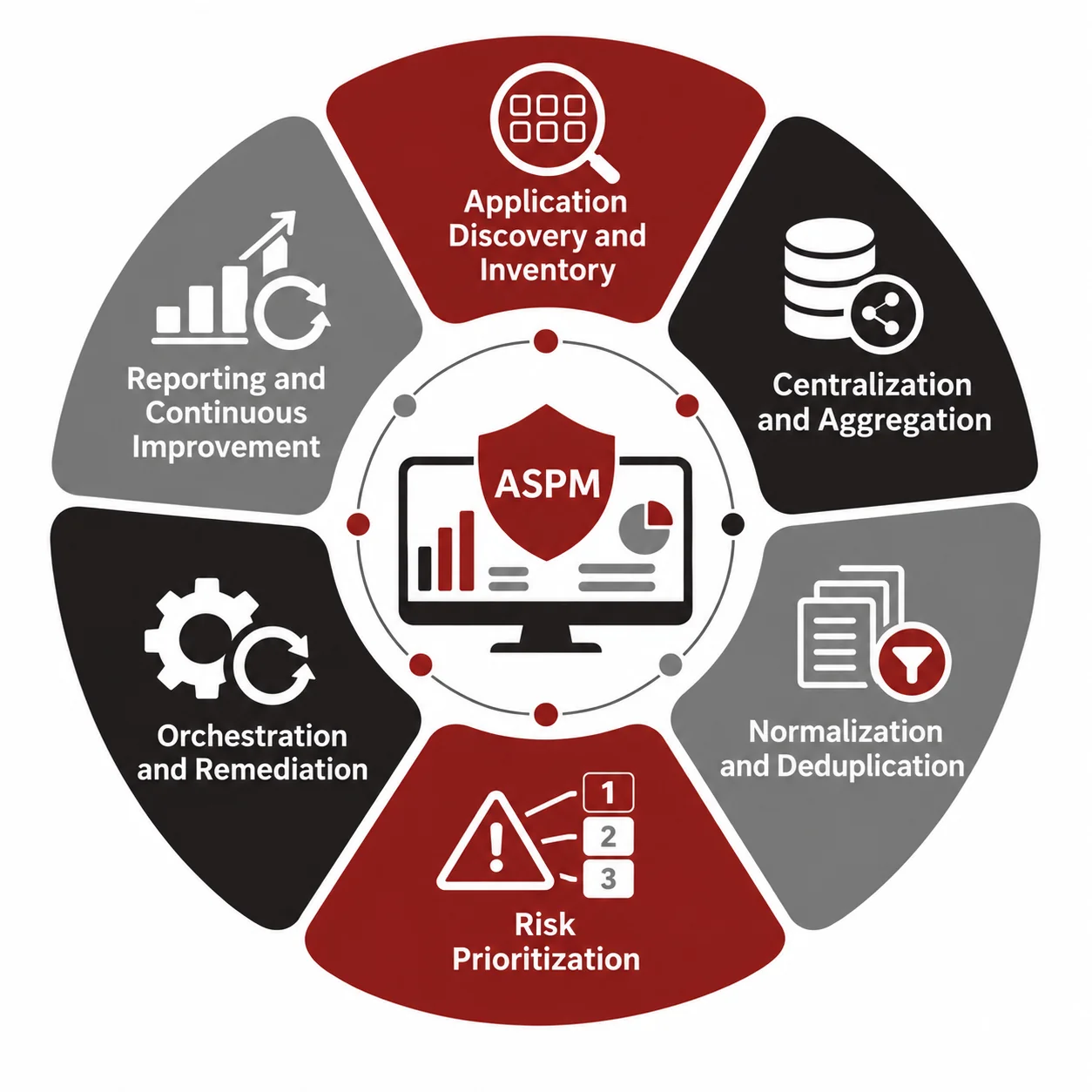
Application Security Posture Management (ASPM)
Application Security Posture Management (ASPM) provides unified visibility across fragmented application security tools, findings and application assets throughout the software lifecycle.
We help organizations discover applications and assets, consolidate and deduplicate security findings, correlate vulnerabilities across tools, prioritize risks using business context, identify exploitable attack paths and track remediation. ASPM capabilities also support application-level risk scoring, security posture measurement and executive-level application security dashboards.
Our Application Security Testing Methodology
A structured, risk-based approach to identifying and addressing application security risks across the software development lifecycle.
Define applications, APIs, environments, user roles, business functions, test accounts, objectives and testing boundaries.
- Application and asset inventory
- Testing objectives
- Approved scope and boundaries
Map the application attack surface, endpoints, APIs, roles, data flows, integrations and security-sensitive functionality to identify relevant threat scenarios.
- Endpoint and API discovery
- Authentication and access flows
- Threat and attack-surface analysis
Test application security controls and validate vulnerabilities through manual and appropriate technical testing within the approved scope.
- Authentication and authorization testing
- Input validation and session security
- Business logic and vulnerability validation
Review source code and application architecture, where included in scope, to identify security weaknesses in design, implementation and controls.
- Secure coding analysis
- Trust boundary and data-flow review
- Security control analysis
Prioritize security findings based on severity, exploitability, exposure, affected functionality and business impact.
- Risk-based severity
- Business impact assessment
- Attack-path and exposure context
Provide practical remediation guidance and validate security fixes through retesting when included in the engagement scope.
- Developer-focused remediation guidance
- Vulnerability retesting
- Closure and validation evidence
Application Testing Aligned to Recognized Security Guidance
Where applicable, our application security testing and secure-development practices are informed by established industry standards and security guidance.
OWASP Top 10:2025
Provides awareness of the most critical web application security risks and supports risk-focused security testing.
View OWASP Top 10OWASP ASVS 5.0
Provides verification requirements for assessing web application security controls and secure development practices.
View OWASP ASVSOWASP API Security Top 10:2023
Addresses critical API security risks including authorization, authentication, resource consumption and insecure API integrations.
View OWASP API SecurityOWASP MASVS & MASTG
Provides mobile application security requirements and testing guidance for Android, iOS and cross-platform applications.
View OWASP Mobile SecurityNIST SSDF
Provides secure software development practices that can be integrated throughout the software development lifecycle.
View NIST SSDFClear Outputs for Security & Engineering Teams
Every engagement is designed to turn technical findings into evidence, remediation actions and measurable security improvements.
From vulnerability to documented closure.
Application security deliverables translate technical observations into risk priorities, evidence, remediation guidance and retest results.
Get Your Application AssessedApplication Security Risk Summary
High-level view of application exposure and prioritized risks.
Detailed AppSec Report
Findings, affected components, endpoints and technical evidence.
Severity & Risk Ratings
Technical severity with exploitability and business context.
Proof-of-Concept Evidence
Validated evidence for significant findings where applicable.
Developer Remediation Guidance
Practical recommendations mapped to the identified weakness.
Reassessment & Closure Results
Validation of remediation and updated closure evidence.
Why Choose Varutra for Application Security Testing?
Varutra combines expert-led application security testing, automation and business-aware risk analysis to identify vulnerabilities that matter most. Our approach helps organizations secure applications across the lifecycle—from architecture and development to deployment and operations.
Expert-Led Security Testing
Experienced security professionals go beyond automated scanning to manually validate complex vulnerabilities, business logic flaws and realistic attack paths across applications and APIs.
Risk-Based Application Security
We prioritize vulnerabilities based on business impact, exploitability, application criticality and exposure, helping security teams focus remediation on the risks that matter most.
Full Application Lifecycle Coverage
Integrate application security from requirements and architecture through secure development, testing, deployment and operations with security controls aligned to the software lifecycle.
Modern Attack Surface Coverage
Assess modern application environments including web and mobile applications, APIs, cloud-native applications, containers, microservices, AI applications and software supply chains.
Actionable Remediation & Reassessment
Receive clear technical evidence, root-cause analysis and practical remediation recommendations, followed by retesting to validate that identified vulnerabilities have been effectively addressed.
Automation + Human Expertise
Security automation improves testing scale and coverage, while expert analysis identifies complex vulnerabilities, contextual risks and attack scenarios that automated tools alone may miss.
Application Security for Compliance
Application security testing can provide independent assessment evidence and remediation documentation that may support applicable security, contractual and regulatory requirements. Exact applicability depends on the organization and scope.
Frequently Asked Questions About Application Security
Get answers about application security testing, AppSec services, application VAPT, APIs, mobile apps, cloud-native security, ASPM, Secure SDLC and security assessments in India.
Application security testing can cover web and mobile applications, APIs, thick and thin clients, source code, application architecture and the software development lifecycle. Depending on scope, assessments can evaluate authentication, authorization, session management, business logic, input validation, access controls, sensitive data exposure, security misconfigurations and other application vulnerabilities.
Varutra provides application security services in India including web application security testing, mobile application security testing, API security testing, secure code review, thick client and thin client security testing, application security architecture review, Secure SDLC, cloud-native and container application security, and Application Security Posture Management (ASPM).
An application vulnerability assessment focuses on identifying and prioritizing potential security weaknesses. Application penetration testing includes deeper manual validation of significant vulnerabilities, business logic and realistic attack paths within an approved scope to assess exploitability and potential impact. Both approaches can be used together depending on the organization's security objectives.
Yes. Application security assessments can cover web applications, Android and iOS mobile applications, and APIs including REST, SOAP and GraphQL. Testing can assess authentication, authorization, access controls, business logic, input validation, session and token security, data exposure, API abuse controls and other application-specific security risks.
Cloud-native and container application security testing evaluates security risks across containers, Kubernetes, microservices, APIs and cloud application environments. Assessments can include container images, Kubernetes configurations, IAM and access controls, secrets management, Infrastructure-as-Code, CI/CD security, runtime environments and cloud application architecture.
Application Security Posture Management (ASPM) provides centralized visibility across application assets, security tools and findings throughout the software lifecycle. ASPM can help discover applications and assets, consolidate and deduplicate findings, correlate vulnerabilities, prioritize risk using business context, identify attack paths, track remediation and measure application security posture.
Application security engagements can be informed by recognized security guidance including OWASP Top 10 and OWASP ASVS for web applications, OWASP MASVS and MASTG for mobile applications, and NIST SSDF for secure software development practices. The applicable approach is tailored to the application, technology stack, security objectives and approved assessment scope.
The cost of application security testing in India depends on the scope, application complexity and assessment requirements. Varutra follows a scope-based approach, with pricing determined by factors such as application type, number of applications and APIs, user roles, testing depth, source-code availability, business logic, mobile platforms, reporting and retesting requirements. This allows us to provide a quotation tailored to your specific application security needs.
Ready to Strengthen Your Application Security?
Get a clear, prioritized view of your application attack surface with web, mobile, API, source code, architecture and secure SDLC security services — from a Pune-based team serving organizations across India.