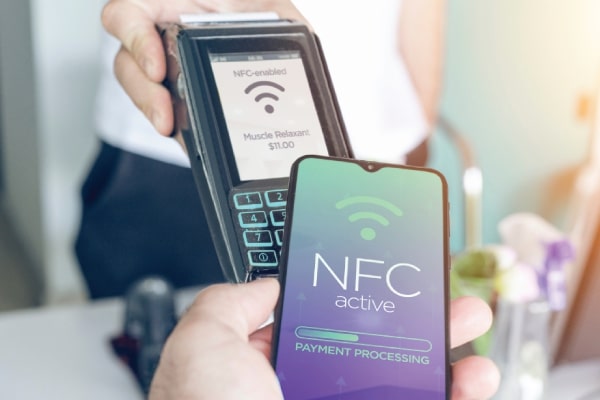
The NGate banking trojan, recently analyzed by malware experts at Doctor Web, has re-emerged, now targeting users in Russia. This malware exploits NFC technology to facilitate unauthorized ATM withdrawals and contactless payments. The attack typically begins with a scam phone call offering fake social benefits or financial incentives, persuading victims to download a malicious APK disguised as an official government or banking app. Once installed, the trojan intercepts sensitive card information through NFC data capture, sending it directly to the attacker for misuse. Victims are tricked into providing their PINs and card details, enabling attackers to access their financial accounts. Initially deployed in attacks on Czech bank customers in 2023, the NGate trojan has since adapted its tactics to target Russian users. It leverages a combination of phishing, social engineering, and altered versions of legitimate apps like NFCGate to bypass the need for rooting devices while effectively harvesting card data. Doctor Web has emphasized the malware’s innovative strategy of blending conventional cybercrime methods with advanced exploitation of NFC technology, making it highly effective and dangerous. To protect against NGate, users are advised to refrain from sharing sensitive card information, download apps exclusively from official platforms, and verify the legitimacy of websites and phone calls. Strong antivirus software and increased awareness are essential in combating this sophisticated malware, as its accessibility and efficiency pose significant risks to financial security.
In early 2026, Rapid7 observed a sophisticated cyberattack attributed to the Iranian state-sponsored group MuddyWater, masquerading under the Chaos ransomware brand in what appears...
A newly identified China-affiliated cyber espionage group, tracked as UAT-8302, has been linked to a series of intrusions aimed at government institutions across South America and ...
Google has expanded its Binary Transparency initiative for Android to strengthen protection against software supply chain attacks. The new system creates a public cryptographic led...