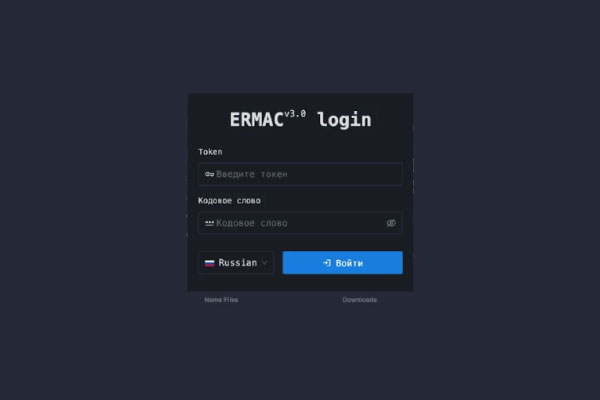
Cybersecurity researchers have dissected ERMAC 3.0, the latest version of a dangerous Android banking trojan, revealing major improvements in its malicious capabilities and critical flaws in its infrastructure. First spotted in 2021 by ThreatFabric, ERMAC is believed to be a successor to Cerberus and BlackRock, linked to a threat actor known as DukeEugene. Version 3.0 significantly expands the malware’s reach, now targeting over 700 banking, shopping, and cryptocurrency apps. ERMAC conducts overlay attacks to steal credentials and financial data and now includes advanced form injection techniques and AES-CBC encrypted communications to better evade detection. The malware operates as part of a Malware-as-a-Service (MaaS) offering and consists of several components. These include a Kotlin-based Android backdoor capable of collecting sensitive data, a backend C2 server for managing infected devices, a React-based frontend for command issuance and data access, and a Golang server responsible for data exfiltration. Additionally, an ERMAC builder enables threat actors to generate customized malware builds by configuring app names, server URLs, and other campaign-specific parameters. Interestingly, the malware avoids infecting devices located in Commonwealth of Independent States (CIS) countries. Security firm Hunt.io discovered and analyzed the full source code of ERMAC 3.0, which was accessible via an exposed directory. Their findings highlighted severe security oversights within the malware’s infrastructure. These include a hardcoded JWT secret, a static bearer token for admin access, default root credentials, and open admin panel registration—vulnerabilities that could be exploited by defenders to track and disrupt operations. By exposing these weaknesses, researchers provide valuable intelligence that can be leveraged by cybersecurity professionals to detect and mitigate active ERMAC campaigns, offering a rare opportunity to undermine a sophisticated and widely distributed mobile threat.
Security researchers have uncovered a sophisticated phishing campaign targeting TRON wallet users through a malicious Chrome extension impersonating the popular TronLink wallet. Th...
Online shoppers are facing a renewed threat as cybercriminals linked to the Magecart ecosystem have begun abusing Google Tag Manager (GTM) containers to distribute malicious credit...
A serious security flaw has been discovered in the Cline kanban package that could allow attackers to perform remote code execution, steal sensitive data, and stop active AI sessio...