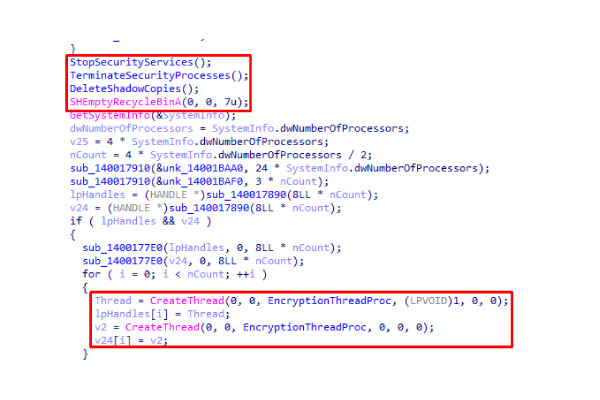
Trend Micro researchers have discovered a new ransomware variant named Charon, which specifically targets public sector and aviation entities in the Middle East. It employs advanced persistent threat (APT)-level techniques and customized extortion tactics to enhance its effectiveness and impact. The operation features DLL sideloading, process injection, and anti-EDR functionality, capabilities commonly associated with advanced persistent threats, applied to deliver high-consequence ransomware attacks. According to the report, this newly observed campaign represents a serious business risk, with the potential to trigger operational outages, data loss, and significant downtime-related expenses. Researchers observed tactics resembling past Earth Baxia activity, though without confirmed attribution. A key element is a benign-looking DumpStack.log file hiding double-encrypted shellcode that leads to the Charon ransomware payload. Charon disables security tools, deletes shadow copies, and encrypts local and network files—excluding essential executables and its own components—using Curve25519 and ChaCha20 with partial encryption for speed. Each ransom note is customized to the victim, indicating a highly targeted campaign. The malware also spreads across networks by discovering and encrypting reachable shares using Windows APIs such as NetShareEnum and WNetEnumResource. Trend’s analysis identified an embedded anti-EDR driver derived from the public Dark-Kill project intended to neutralize endpoint defenses; in the examined sample, this capability was present but inactive, hinting that later versions may enable it. This campaign reflects a broader shift: ransomware operators are increasingly adopting APT-level methods, merging sophisticated evasion with the immediate operational damage of encryption to heighten organizational risk.
A major cybersecurity breach has exposed sensitive military-related data after attackers compromised PSK Wind Technologies, a defense contractor supporting the Israel Defense Force...
A newly discovered ransomware campaign is targeting Windows systems across South America by impersonating the well-known Akira ransomware group. The attackers mimic Akira’s brand...
A large-scale phishing campaign has been identified leveraging RFQ (Request for Quotation) themed emails to distribute credential-stealing malware. Attackers disguise malicious HTM...