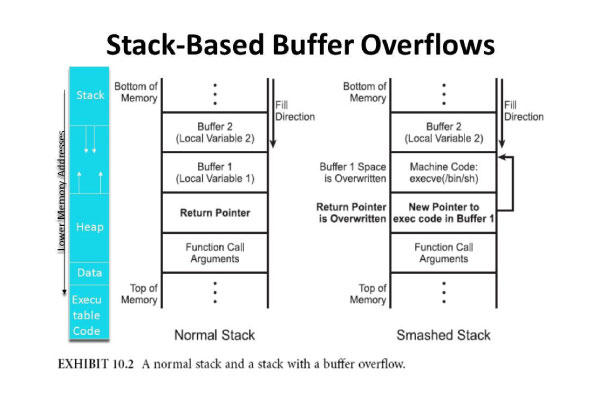
A recently disclosed flaw in Rockwell Automation’s Arena Simulation software exposes users to a local code-execution risk when handling specially crafted DOE (Design of Experiments) files. The vulnerability stems from improper handling of input data within the DOE parser, which can allow a malicious file to corrupt application memory. An attacker would need local access to the system and the ability to convince a user to open the manipulated file, but once triggered, the flaw can give them an avenue to run code with the same privileges as the current user. Technically, the issue arises from insufficient boundary checks on data passed to a fixed-size buffer during DOE file processing. When the application reads oversized or intentionally malformed content, the extra data can spill beyond the expected memory region and overwrite adjacent stack structures. This type of condition commonly known as a stack-based buffer overflow can compromise return addresses, alter program execution paths, or destabilize the software. Such memory corruption, if exploited correctly, may allow the attacker to inject and execute arbitrary instructions or tamper with the behavior of the Arena runtime. Affected installations include Arena versions up to and including 16.20.10, with the vendor addressing the vulnerability in version 16.20.11 and newer releases. Although exploitation requires physical or authorized access to the host system, the risk remains significant for engineering teams and simulation environments where DOE files circulate between users or external sources. Prompt upgrading, cautious handling of untrusted DOE files, and restricting permissions for modeling activities are essential to reduce exposure.
IBM released security patches for over 100 vulnerabilities across various products. The biggest sufferers of these patches were Storage Defender, for which patches were issued for ...
Fieldtex Products, a U.S.-based provider of contract sewing and medical supply fulfillment, has reported a data breach following an attack attributed to a well-known ransomware ope...
The Pierce County Library System (PCLS) has announced a major data breach affecting more than 340,000 individuals, including library patrons, employees, former employees, and some ...